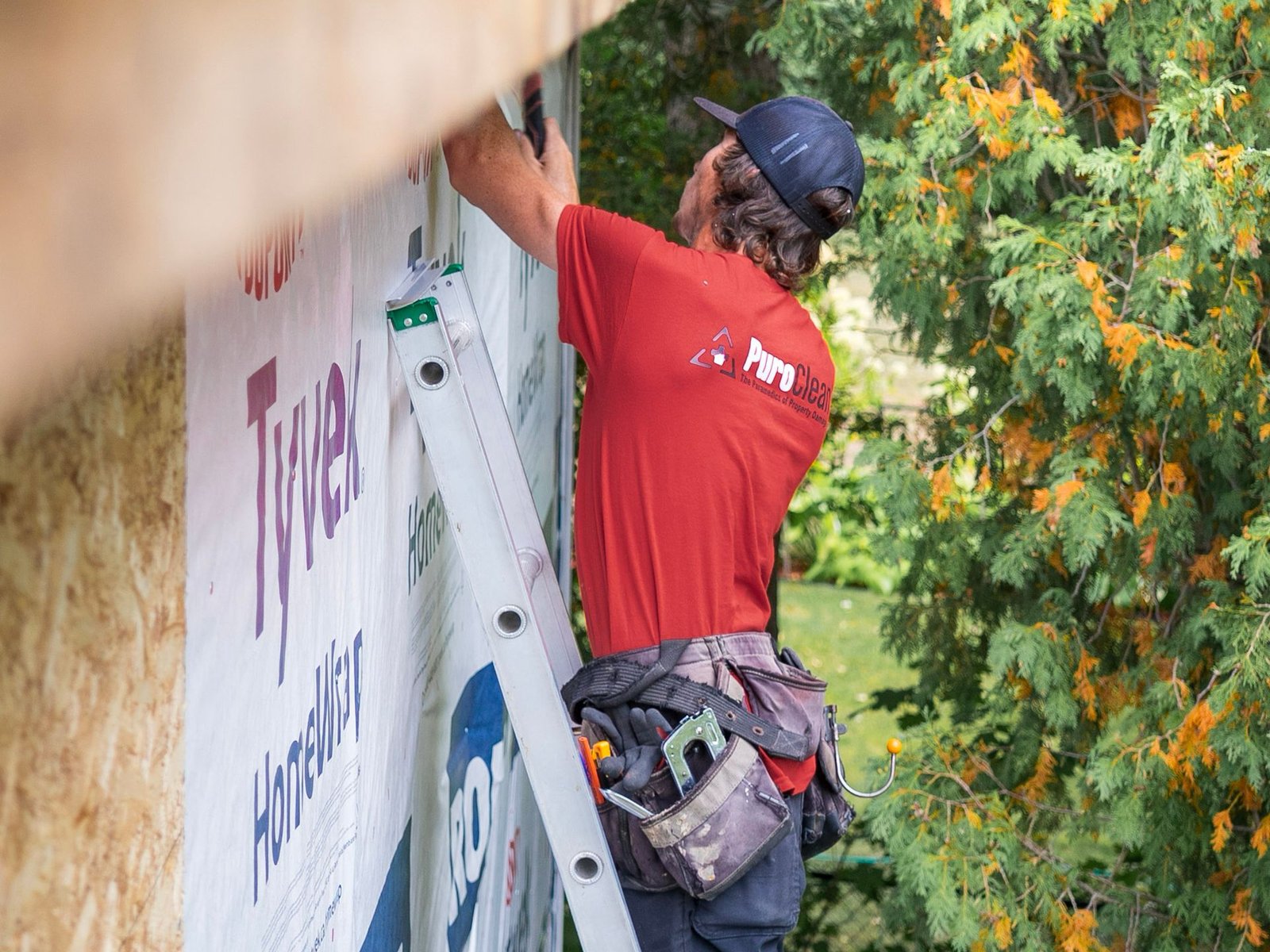
Your home’s siding protects everything underneath it from weather, moisture, and temperature changes. In Virginia, siding is exposed year-round to humidity, rain, storms, heat, and wind.
Over time, even durable siding materials begin to wear down. When that happens, your home becomes more vulnerable to damage and energy loss.
Why Siding Matters
Siding is your home’s first protective barrier.
When it is in good condition, it:
- Prevents moisture intrusion
- Helps regulate indoor temperature
- Protects structural materials
- Supports energy efficiency
When it begins to fail, those protections weaken quickly.
1. Cracks, Warping, or Bubbling
Physical damage is often the first clear sign of siding failure.
You may notice:
- Cracks or splits in panels
- Warped or uneven surfaces
- Bubbling or blistering
These usually indicate moisture exposure or age-related deterioration.
2. Fading or Peeling Finish
Siding color changes over time, but heavy fading or peeling often signals breakdown.
This may include:
- Frequent repainting needs
- Chalky residue on surfaces
- Uneven color sections
When protective coatings fail, siding becomes less effective.
3. Mold, Mildew, or Moisture Issues
Moisture behind siding is a serious concern.
Warning signs include:
- Dark spots or mold growth
- Soft or spongy areas
- Musty smells inside the home
This often means water is getting behind the exterior layer.
4. Rising Energy Bills or Drafts
Damaged siding can reduce insulation performance.
You may notice:
- Higher heating and cooling costs
- Drafts near exterior walls
- Uneven room temperatures
This often overlaps with aging windows or roofing issues.
5. Loose or Gapping Panels
Siding should sit tightly against your home.
Signs of failure include:
- Panels pulling away
- Visible gaps between sections
- Movement during wind
This can allow moisture and air infiltration.
When Replacement Is the Better Choice
Repairs can work for small areas, but full replacement is often better when:
- Damage is widespread
- Moisture has reached underlying materials
- Repairs are becoming frequent
- Energy efficiency is declining
FAQs About Siding Replacement
How long does siding last?
Most siding lasts 20–40 years depending on material and weather exposure.
Can damaged siding cause interior damage?
Yes—moisture intrusion can affect insulation, framing, and drywall over time.
Should siding be replaced with windows or roofing?
Often yes, especially when multiple exterior systems show aging signs.
Siding, Roofing, and Windows Work Together
Your home exterior functions as a single system.
When one part fails, it can affect:
- Roof edges and drainage
- Window sealing
- Energy efficiency throughout the home
Related Reading
- Signs Your Roof May Be Failing in Virginia
- Are Old Windows Raising Your Energy Bills?
- How Financing Works for Roof, Window, and Siding Replacement
Ready to Learn More?
If you’re considering siding replacement, roof replacement, or window replacement for your Virginia home, Premier Remodelers LLC can help.
We provide free estimates and work with homeowners throughout Virginia on full exterior replacement projects.
Premier Remodelers LLC
Written by Wendy Real of Premier Remodelers LLC
Licensed & Insured
Phone: (540) 497-8567
Email: info@premierremodelers.com
Website: Premier Remodelers LLC
Contact us today to schedule your free estimate.

Leave a Reply